If you experience heat stress, it's crucial to take immediate action to cool down and rehydrate to prevent more severe heat-related illnesses.
Recognizing Heat Stress
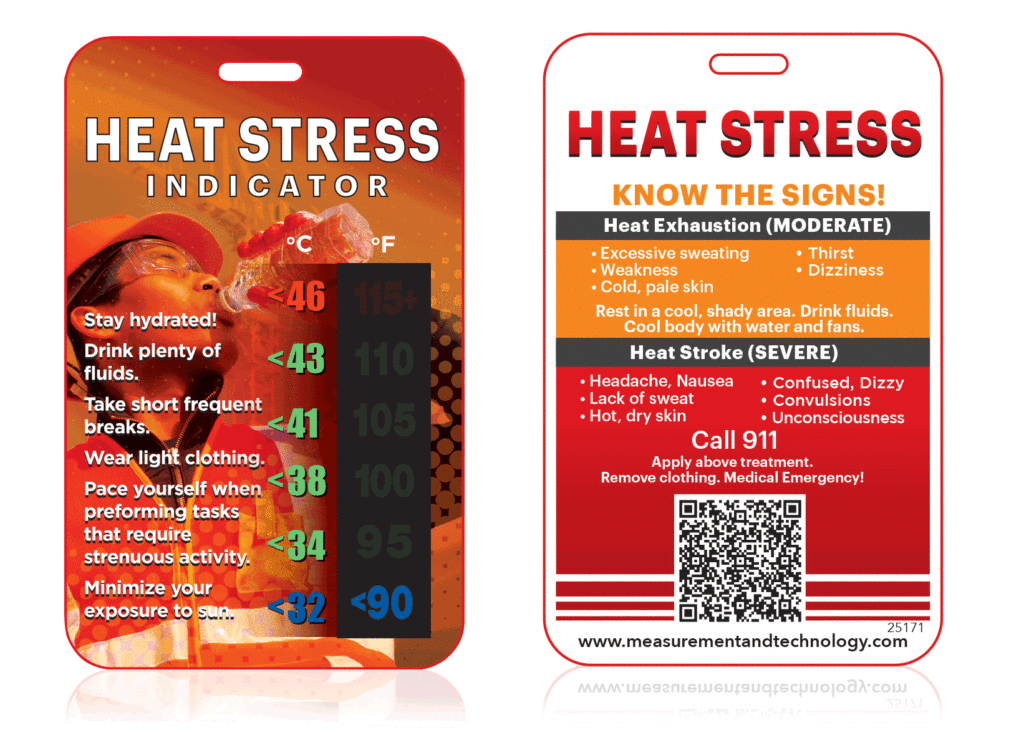
Heat stress occurs when your body struggles to regulate its internal temperature due to excessive heat. Symptoms can include:
Heavy sweating
Weakness or fatigue
Dizziness or fainting
Nausea or vomiting
Headache
Cool, moist skin with goosebumps.
Immediate Actions to Take
Stop All Activity: Cease any strenuous activities immediately to prevent further overheating.
Move to a Cooler Place: Find shade or an air-conditioned environment to help lower your body temperature.
Hydrate: Drink cool water or a sports drink containing electrolytes. Avoid alcohol and caffeine, as they can worsen dehydration.
Cool Your Body: Use cool water to sponge or spray your skin, or apply cold packs to areas like the neck, armpits, and groin. Fanning yourself can also help.
Rest: Sit or lie down in a comfortable position and keep monitoring your symptoms. If you don’t feel better within 30 minutes, seek medical attention.
When to Seek Medical Help
If symptoms worsen or if you experience severe symptoms such as confusion, inability to drink, or a core body temperature of 104°F (40°C) or higher, seek immediate medical assistance. These could be signs of heat exhaustion or heatstroke, which are serious conditions that require urgent care.
Prevention Tips
Stay Hydrated: Drink plenty of fluids, especially in hot weather or during physical activity.
Wear Appropriate Clothing: Light, loose-fitting clothing can help your body cool down more effectively.
Take Breaks: If working or exercising in the heat, take regular breaks in a cool area to prevent overheating.
By following these steps, you can effectively manage heat stress and reduce the risk of developing more severe heat-related illnesses. Always listen to your body and take action if you start to feel unwell in hot conditions.